R.I.VER® - VER Industrial Registry
The first public carbon credit registry, validated by a certified independent body, open to voluntary emission reduction projects (VER: Voluntary Emission Reductions or Verified Emission Reductions) with a particular focus on the industrial sector, and to GHG removal projects. R.I.VER® uses Polygon blockchain technology.
Sustainability is about meeting the needs of current generations without jeopardising those of future generations, while also ensuring a balance between economic growth, environmental care and social welfare
Brundtland, G. (1987)
Report of the World Commission on Environment and Development: Our Common Future. United Nations General Assembly document A/42/427
EMISSIONS
Current concentration of CO2 in the atmosphere
Safety maximum 350 ppm
According to J. Hansen (NASA and Columbia University), the CO2 concentration in the atmosphere must be 350 ppm maximum to ensure climate equilibrium.
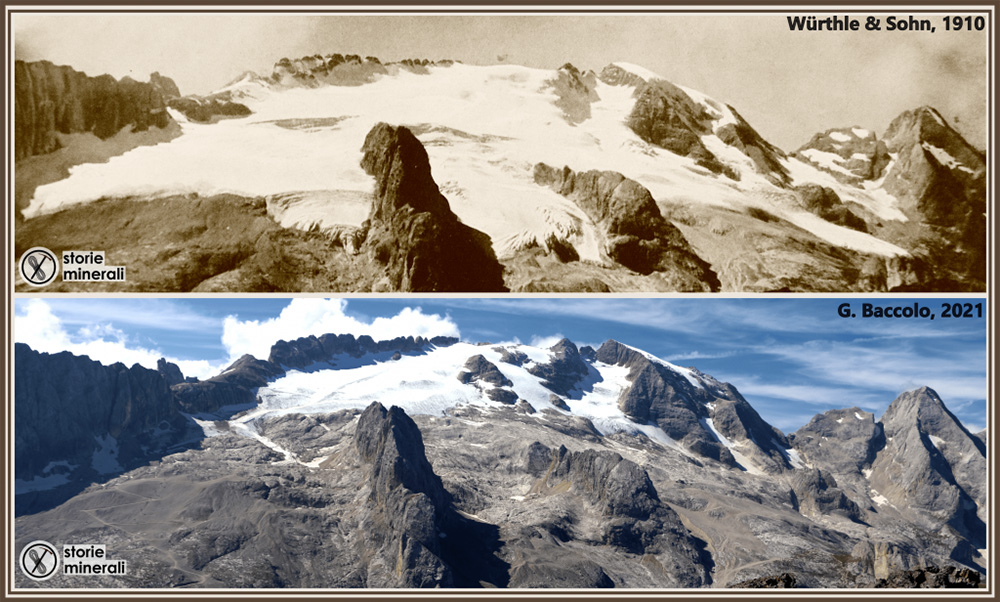
Target No. 13 of the 17 Sustainable Development Goals (SDGs), defined by the UN as a strategy “to achieve a better and more sustainable future for all”, better known as the 2030 Agenda, calls for a drastic reduction of CO2 emissions into the atmosphere to curb climate change. Before the industrial era, carbon dioxide concentration had been stable at around 280 parts per million for about 6000 years. At the end of World War II, the figure was 310 ppm. During the 1970s oil crisis it was 335 ppm. Then it began to soar: 353 ppm in 1990, 368 ppm in 2000 (up 15), 388 ppm in 2010 (up 20) and 412 ppm in 2020 (up 24). The threshold limit of CO2 in the atmosphere needed to ensure equilibrium is 350 ppm.
R.I.VER® REGISTRY
Latest projects and CO2 credits available
R.I.VER® RESTRICTED AREA
Log in/sign up to reserved area
In order to register a project, you must be registered on R.I.VER® and have an account.
Blockchain
A sustainable and transparent approach
Blockchain technology offers an innovative solution that ensures an immutable and transparent ledger for every carbon credit transaction.